Questions worth asking early
Better building decisions begin with plain answers.
Every property and scope is different, but the same early questions can reveal risk, clarify priorities, and make the first project conversation far more useful.
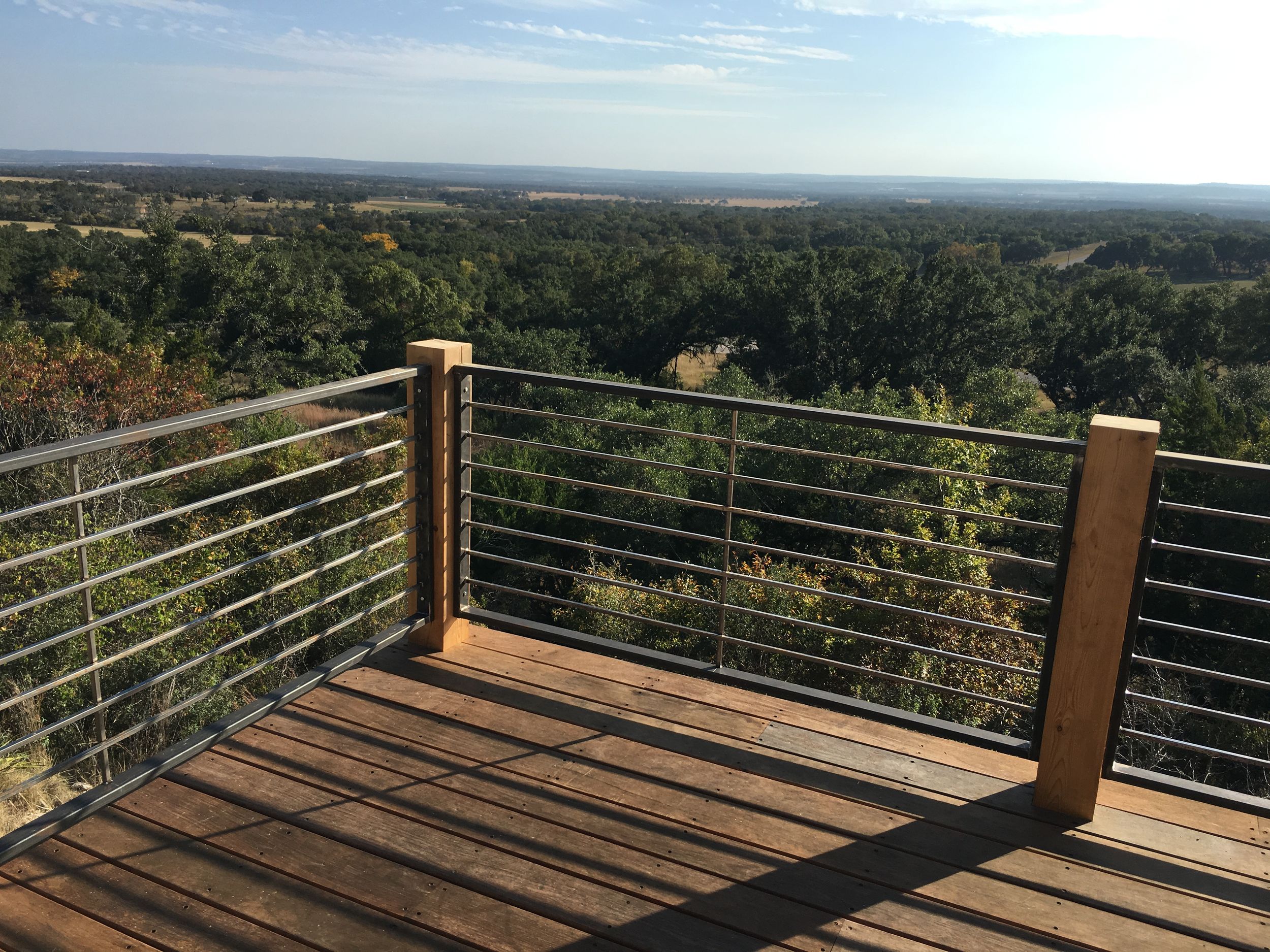
Start with the land, the life of the home, and the decisions still unresolved.
A custom-home plan should respond to access, views, sun, slope, utilities, drainage, restrictions, and the way the household expects to live. Those inputs belong in the conversation before a floor plan hardens.
If you already have plans, they become part of the review. If you do not, a clear brief and useful site information are the better starting materials.
The existing house is part of the scope, even where no change is visible.
Structure, utilities, previous alterations, access, occupied spaces, and material transitions can all affect a remodel. Investigation helps distinguish a cosmetic wish list from the real work required to achieve it.
A connected plan also helps kitchens, bathrooms, additions, and circulation changes feel like parts of one home rather than unrelated projects.
Scope, decisions, and communication are part of the build—not paperwork around it.
Useful early documentation explains what is known, what remains an allowance or assumption, who owns each decision, and what information could change the plan.
The project-specific proposal and agreement—not general website guidance—govern the actual scope, investment, and responsibilities.
Plain answers
Questions worth asking early.
Do I need plans before speaking with a builder?
No. Existing plans are useful, but a property, needs list, photographs, survey, and clear priorities can also support an early conversation.
What affects the investment required for a custom home?
Site work, access, utilities, foundation needs, size, design complexity, systems, material selections, interior detail, outdoor work, and the completeness of the documents all influence investment.
What affects a remodeling scope?
Existing structure and systems, concealed conditions, access, occupied-home logistics, finish continuity, code-related work, and the extent of layout change can all affect scope.
What is the difference between an estimate and a quote?
An estimate is generally a planning-level expectation based on the information available. A quote is tied to a more defined scope and stated assumptions. The language and conditions in the specific document always control.
Can Fusion work with my designer or existing plans?
That possibility can be discussed during project intake. The useful next step is to share the current plans, the property, and the decisions that remain open.
How should I prepare for an initial project conversation?
Gather the property location, ownership status, survey or plans if available, photographs, a list of must-haves, a list of concerns, and an honest picture of your planning stage.
A useful first conversation
The property and your priorities are enough to begin.
Bring the question that is keeping the project from moving forward.
Fields marked * are required. An address, photos and notes are optional.
The form is loading. If it does not load, use the JobTread link below.
Your details are sent to Fusion Master Builders through JobTread so the team can respond to your inquiry.
Having trouble with this form? Open the same form in JobTread.