Highlighted prompt, thorough communication and first-rate craftsmanship.
From idea to workable brief
Make the home you have fit the life you are living now.
You do not need a perfect design to begin. You need an honest description of what no longer works, what must stay, and what a successful remodel should change.
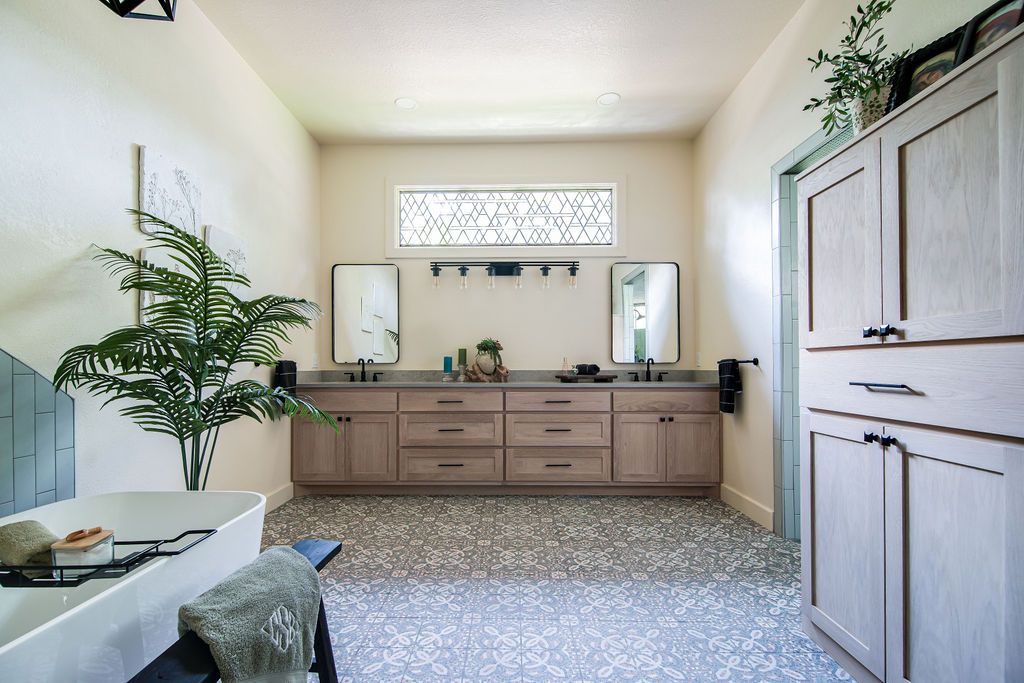
Real Fusion project photography · Architecture-trained planning · Serving the Hill Country since 2010 · One accountable team
01 / Begin with daily life
Describe the friction before choosing the finishes.
A cramped route through the kitchen, an inaccessible bath, a missing guest room, poor storage, or a disconnected outdoor area is a clearer starting point than a collection of isolated product images.
Write down when the home feels difficult, who is affected, and what a better day in the finished space would look like.
02 / Bring what is known
The existing home supplies half of the project brief.
The address, approximate age, previous alterations, available plans, photos, known structural or moisture concerns, utility locations, and access conditions help frame the first investigation.
Unknowns are acceptable when they are labeled as unknowns. They become dangerous when they are treated as settled facts.
03 / Move one decision forward
Use the project form to organize the conversation—not to force a premature answer.
Share the work you are considering, the property location, your current planning stage, and any material that will help Fusion understand the scope. The next step may be more information, a conversation, or a closer look at the home.
The intake does not replace site investigation, design work, a proposal, or a construction agreement.
What clients remember
The finish gets photographed. The process gets remembered.
Craftsmanship matters. So do integrity, communication, and the discipline to carry a project through well. These are excerpts from real client reviews.
Known locally for his integrity… We could not have been more happy with the outcome.
Communication was prompt and thorough, and the craftsmanship was first-rate.
Diligent, kind, hardworking, and finished on budget and on time.
Review text is excerpted for length.
Before you inquire
A few useful answers.
You do not need every decision made. You do need a clear starting point: the property, the spaces involved, and what is not working today.
Do I need finished plans before reaching out?
No. Start with the problem you want to solve, the property, and the outcome you want. Existing plans, inspiration, or photos are helpful when available, but they are not required for the first inquiry.
What should I include in the project inquiry?
Include the project location, the spaces involved, your priorities, your hoped-for timing, and a realistic investment range. That context helps Fusion determine whether the project is a strong fit.
What happens after I submit?
Fusion reviews the location, scope, stage, timing, and current capacity first. If the project appears to fit, the team will follow up about the next conversation and the information needed to move forward.
Start with the details
Tell us what needs to change.
Share the property, the spaces involved, what is not working, and when you hope to begin. You do not need every answer to start.
Every submission is reviewed before the next conversation is scheduled. An inquiry is the first step—not a construction estimate or contract.
Homeowner perspective
Trust is built in the details.
Highlighted diligent, kind work delivered on budget and on time.
Highlighted local integrity and satisfaction with the finished outcome.
Plain answers
Questions worth asking early.
What if I only know that the house is not working anymore?
That is enough to describe the moments that feel difficult, the people using the space, and the outcome you want. The project does not need to be fully designed before the first conversation.
Should I collect inspiration images?
Yes, when they help explain atmosphere, proportion, function, or material preferences. Add a note about what you value in each image so the reference is not mistaken for a literal copy request.
Can the same planning process include an addition?
Yes. Explain why the existing footprint is insufficient, which new functions are needed, and how the addition should connect to the original home and site.
A useful first conversation
The property and your priorities are enough to begin.
Share the home, the problem, and the change you want to make.
Fields marked * are required. An address, photos and notes are optional.
The form is loading. If it does not load, use the JobTread link below.
Your details are sent to Fusion Master Builders through JobTread so the team can respond to your inquiry.
Having trouble with this form? Open the same form in JobTread.