Custom decks
Create a confident transition between the house and the fall of the land.
A deck is structure, circulation, weather exposure, and outdoor living in one assembly. Its success depends on more than choosing a board color.
Elevation, soil, drainage, attachment, spans, and access define the structural question.
A low platform, an elevated deck, and a structure extending over a steep grade require different planning. The house connection, independent supports, stairs, guard conditions, utilities, and water movement all need project-specific review.
Engineering and permitting requirements should be confirmed with the appropriate professionals and authority for the property.
Dining, cooking, circulation, shade, and views need enough room to coexist.
A drawing should account for chairs in use, grill clearance, door swings, stair arrival, paths between zones, and the view from both seated and standing positions.
The most useful square footage is the area that supports a real activity without blocking another one.
Appearance, heat, movement, fastening, maintenance, and aging all matter.
Decking and railing materials respond differently to sun, moisture, debris, cleaning, expansion, and daily wear. The supporting assembly, flashing, drainage, and fasteners are as important as the visible surface.
Discuss how you want the deck to look now and what level of maintenance is realistic later.
Plain answers
Questions worth asking early.
Can Fusion replace or expand an existing deck?
The existing structure and connection need evaluation before a replacement or expansion scope is defined. Reusing components should never be assumed solely from their visible appearance.
Can a deck include stairs, shade, or an outdoor kitchen?
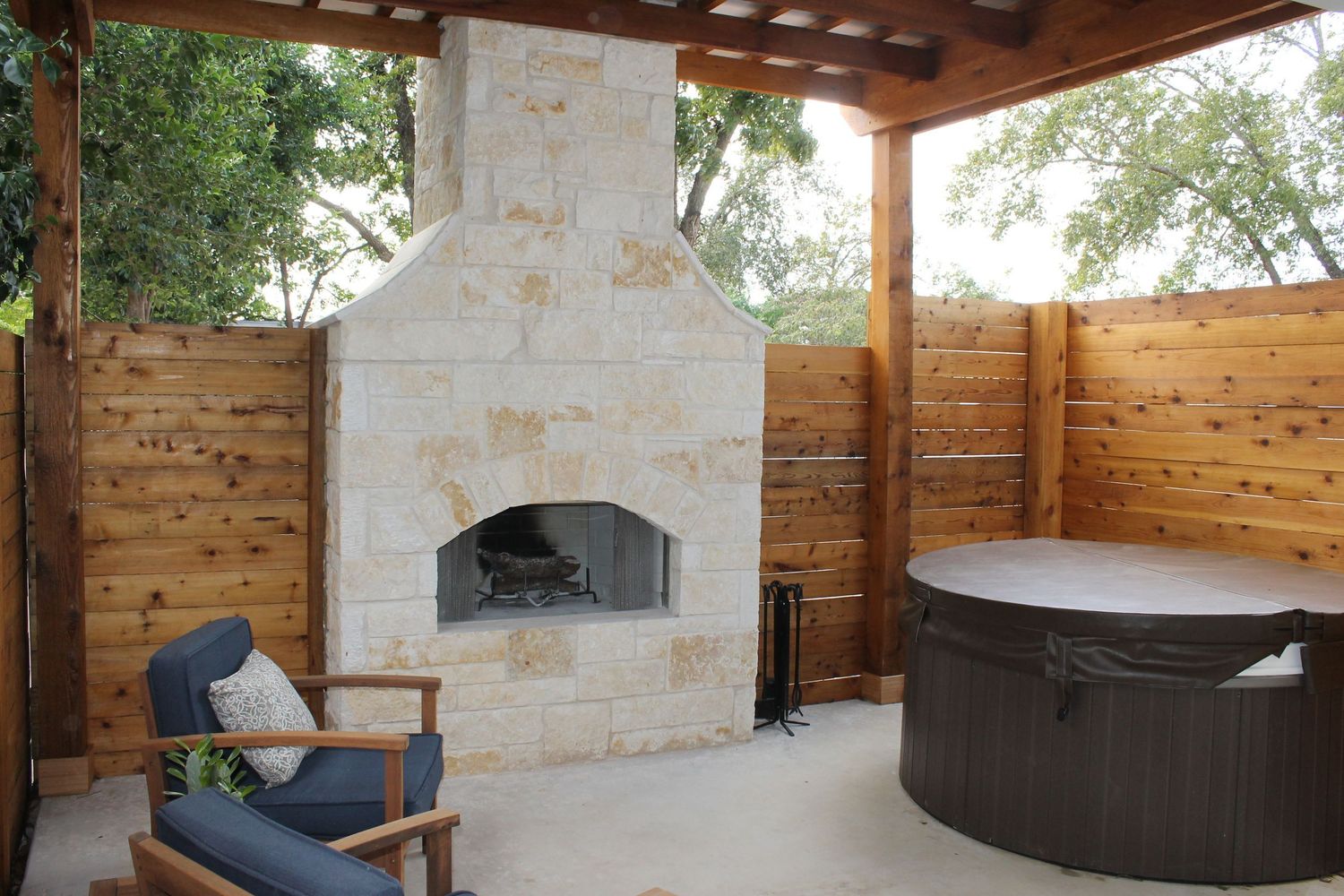
Those elements can be considered as part of the overall outdoor-living plan. Structure, clearances, utilities, fire considerations, drainage, and circulation affect the solution.
How should I choose decking material?
Compare appearance, surface temperature, movement, maintenance, fastening, repairability, exposure, and the supporting assembly—not only initial color or texture.
A useful first conversation
The property and your priorities are enough to begin.
Share the grade, house connection, desired uses, and photos of the site.