Ground-up residential construction
Build the right house on the right ground.
New construction succeeds when the site, documents, selections, responsibilities, and field plan are ready to work together—not when ground is broken as quickly as possible.
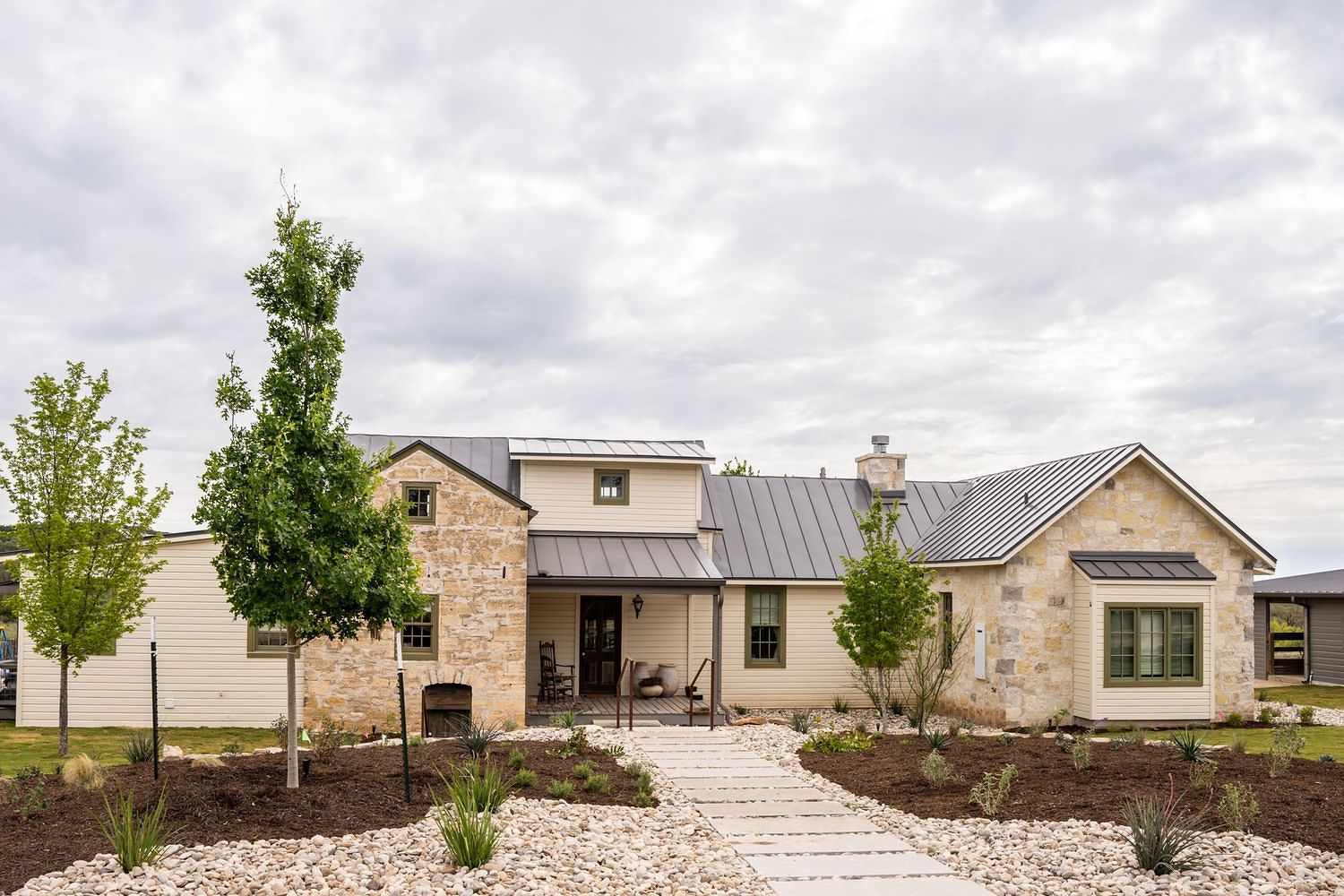
Construction readiness is more than a completed floor plan.
The property, surveys, access, utilities, required approvals, design documents, engineering, specifications, selections, responsibilities, and unresolved assumptions all affect readiness.
A deliberate preconstruction review helps identify gaps before crews, orders, and site work depend on the missing answer.
Sequence the work so each trade receives the information and conditions it needs.
Site work, foundation, structure, dry-in, rough systems, insulation, exterior assemblies, interior finishes, fixtures, and closeout are connected phases—not isolated checklists.
Progress communication should show what has happened, which decisions are approaching, and what could affect the next sequence.
Walkthrough and closeout turn a construction project into a working home.
Final review should distinguish incomplete work, corrections, owner orientation, operating information, and any follow-up governed by the project documents.
The home also needs to be understood: systems, shutoffs, controls, maintenance expectations, and relevant records should be handed over in a form the owner can use.
Plain answers
Questions worth asking early.
When is a new-home project ready for construction?
Readiness depends on the site, documents, engineering, approvals, utilities, selections, procurement, scope, and contractual requirements. The project team should identify outstanding conditions explicitly.
Can Fusion build from completed plans?
Submit the plans and property information for review. Fusion can then discuss document completeness, remaining coordination, and whether the project fits its construction process.
How are owner decisions tracked during construction?
The project-specific process should identify selections and approvals, responsible parties, needed-by dates, and the effect of late or changed decisions. The actual agreement and project system control.
A useful first conversation
The property and your priorities are enough to begin.
Share the land, documents, planning stage, and decisions still open.
Fields marked * are required. An address, photos and notes are optional.
The form is loading. If it does not load, use the JobTread link below.
Your details are sent to Fusion Master Builders through JobTread so the team can respond to your inquiry.
Having trouble with this form? Open the same form in JobTread.