Luxury custom homes
Luxury is the freedom to make every important decision belong.
A refined custom home is not defined by excess. It is defined by the coherence of the land, architecture, light, material, craft, comfort, and daily experience.
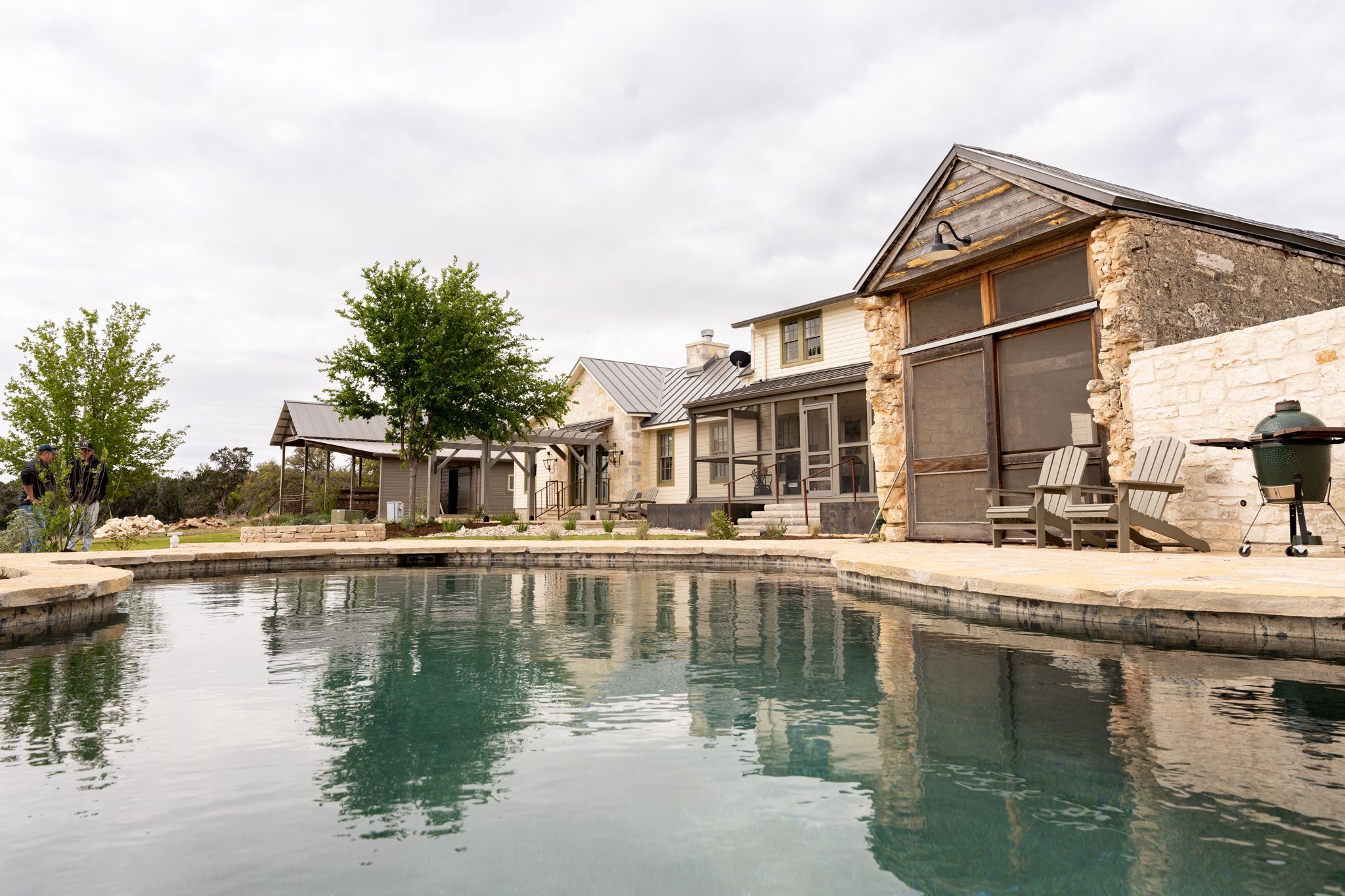
Luxury custom homes
Luxury is the freedom to make every important decision belong.
A refined custom home is not defined by excess. It is defined by the coherence of the land, architecture, light, material, craft, comfort, and daily experience.
Let arrival, views, privacy, light, terrain, and outdoor life shape the architecture.
A distinctive home begins with relationships that cannot be selected from a catalog: how it meets the land, frames a horizon, protects quiet rooms, receives guests, and moves between interior and exterior spaces.
Architecture-trained planning helps keep those relationships visible as the project grows more detailed.
Use material, proportion, and craft to create depth rather than decoration for its own sake.
Stone coursing, timber scale, opening depth, millwork, hardware, light, acoustic comfort, surface transitions, and the way materials age can matter more than the number of features added.
Mockups, samples, shop drawings, and clear benchmarks can help translate an aesthetic intention into field-ready decisions.
Systems and assemblies should support the experience quietly.
Thermal comfort, daylight control, ventilation, water management, acoustics, lighting, technology, storage, maintenance access, and resilience influence how a home feels long after the reveal.
The appropriate specialists should be involved early enough for those systems to integrate with the architecture rather than compete with it.
Plain answers
Questions worth asking early.
What does luxury mean in Fusion’s custom-home approach?
It means a high level of project-specific thought, material and spatial coherence, comfort, detailing, coordination, and execution—not a fixed style, feature list, or price claim.
Can a luxury home still feel relaxed and rooted in the Hill Country?
Yes. Proportion, natural light, material restraint, indoor-outdoor relationships, landscape response, and spaces designed around real routines can create refinement without formality for its own sake.
When should interior and systems selections begin?
Selections with spatial, utility, structural, lead-time, or coordination consequences should begin early enough to inform the documents and procurement plan. Decorative decisions can follow the project’s decision schedule.
A useful first conversation
The property and your priorities are enough to begin.
Share the property, priorities, design direction, and planning stage.
Fields marked * are required. An address, photos and notes are optional.
The form is loading. If it does not load, use the JobTread link below.
Your details are sent to Fusion Master Builders through JobTread so the team can respond to your inquiry.
Having trouble with this form? Open the same form in JobTread.